
Understanding Your Needs
When deciding on an insurance policy, it’s important to begin by identifying what areas of your life need protection. Your lifestyle and personal circumstances play a major role in determining the type of coverage that’s right for you. For instance, if you’re a homeowner, protecting your property might be a top priority. On the other hand, renters may focus more on securing their belongings and liability coverage. Similarly, individuals with dependents may prioritize life insurance, while those without might place greater emphasis on health or disability coverage.
Your financial situation also factors heavily into your decision. Consider your income, savings, and any existing debts when evaluating potential risks. For example, if an unforeseen event would make it difficult to manage your finances, having the appropriate coverage in place can serve as an important safety net. It’s also worth considering any large investments or valuables that need protection, such as a car, jewelry, or electronics.
Another key consideration is your overall risk tolerance. Some people are comfortable taking on higher deductibles to lower their premium costs, while others prefer policies that offer more extensive coverage with higher monthly payments. Understanding your willingness to balance upfront costs with potential out-of-pocket expenses can guide you toward policies that align with your preferences.
In addition, think about external factors that may affect your insurance needs, such as your location. For example, living in an area prone to flooding or earthquakes might require you to purchase specialized coverage, as standard policies often exclude these types of risks. Similarly, your occupation or hobbies may introduce additional considerations. Those who frequently travel for work or engage in activities like skiing or biking may need to explore tailored options to address unique risks.
Evaluating your current situation and thinking about any changes you anticipate in the near future can help you clarify what coverage will be most valuable. Major life events, such as getting married, having children, or switching careers, often trigger new insurance needs, so planning ahead can save you from scrambling to make adjustments later. Taking the time to assess these factors will ensure that your insurance policy provides the right level of protection for your circumstances.
Types of Insurance Policies
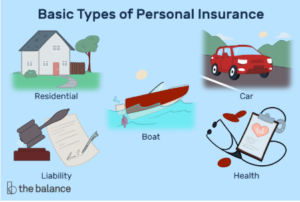
Insurance policies are designed to address different aspects of protection, with each type serving a specific purpose. Health insurance helps cover medical expenses, ranging from routine checkups to more serious treatments, and can reduce the financial burden of healthcare. Auto insurance, required in most states, protects against expenses related to car accidents, theft, or damage. For homeowners, home insurance provides coverage for property damage, loss of personal belongings, and liability for accidents that may occur on the property. Renters insurance, while not as comprehensive as homeowners insurance, offers similar protections for personal belongings and liability without covering the structure itself.
Life insurance ensures financial support for your dependents in the event of your passing, making it especially valuable for individuals with children, a spouse, or others relying on their income. Disability insurance serves as income replacement if you’re unable to work due to an illness or injury, offering a safety net when unforeseen circumstances arise. Additionally, long-term care insurance can help cover costs associated with assisted living, nursing homes, or in-home care as you age.
Specialized policies also exist to address unique situations. For instance, pet insurance helps with veterinary expenses, while travel insurance covers costs related to canceled trips, lost luggage, or medical emergencies abroad. Umbrella insurance, an add-on policy, provides additional liability coverage beyond the limits of your standard auto or home insurance policies, offering extra financial protection.
Understanding the range of options available can help you prioritize what coverage is most relevant to your circumstances. Each type of policy comes with its own features, benefits, and costs, allowing you to tailor your choices to suit your needs. Carefully evaluating the areas where protection is most critical can guide you toward selecting the right combination of policies.
Comparing Providers
Finding the right insurance provider involves more than just looking at prices. Start by checking the financial strength of companies you’re considering, as this will indicate their ability to pay out claims. You can research this information through independent rating agencies, which evaluate insurers’ financial health. It’s essential to choose a provider with a stable track record to avoid complications when you need to file a claim.
Customer reviews can be a valuable resource for gauging the level of service you might expect. Pay attention to feedback related to claim processing times, customer support responsiveness, and the overall satisfaction of policyholders. Consistent patterns in reviews, whether positive or negative, can help you identify potential red flags or advantages.
Comparing quotes from multiple providers is another critical step. Different companies may offer varying premium rates for similar coverage, so shopping around can help you find the most cost-effective option. When comparing quotes, ensure you’re looking at policies with equivalent terms, deductibles, and coverage limits to make an accurate comparison.
Some insurers offer discounts or bundled packages that combine multiple policies, such as home and auto insurance. Exploring these options can lead to savings and simplify your coverage under one provider. However, make sure the bundled policies meet your specific needs and don’t compromise the quality of coverage.
Accessibility and communication are also worth considering. Evaluate how easy it is to get in touch with the company, whether through a local agent, online portals, or customer service hotlines. Providers with user-friendly digital tools can make managing your policy more convenient, such as allowing you to file claims, update information, or make payments online.
Finally, investigate whether the provider offers specialized coverage options that match your circumstances. Some companies cater to niche needs, such as high-risk drivers or coverage in disaster-prone areas, which can make them a better fit for unique situations.
Analyzing Policy Terms
Understanding the details of an insurance policy is essential to avoid unexpected issues. Pay attention to coverage limits, which specify the maximum amount the insurer will pay for a claim. These limits should align with your needs to ensure you’re not underinsured. For instance, if you’re insuring valuable property, confirm that the coverage amount is sufficient to replace it in the event of loss or damage.
Take note of the policy’s exclusions and limitations, which outline what is not covered. These clauses can vary widely between policies, so it’s critical to understand the specific scenarios where coverage will not apply. For example, some health insurance plans may exclude certain treatments or procedures, while a home insurance policy might not cover damages caused by natural disasters without additional coverage.

You should also carefully examine the policy’s terms for any additional fees or charges, such as administrative costs or cancellation penalties. These hidden costs can affect the affordability of the policy over time. Review how premium adjustments are handled as well, since some policies may allow for rate increases under specific circumstances.
Another key aspect to review is how claims are processed. Look for information on the timeline for filing claims, documentation requirements, and how quickly payouts are typically made. Policies with straightforward claims procedures can save you time and frustration during stressful situations.
Additionally, some policies include optional add-ons or riders that offer enhanced coverage for specific needs. For instance, adding a rider to cover expensive jewelry or upgrading auto insurance to include roadside assistance might provide extra security. Evaluate whether these options are relevant and worth the additional cost.
Finally, be aware of renewal terms. Some policies renew automatically, while others may require action on your part. It’s also possible that renewal terms may change, such as an increase in premiums or adjustments to coverage limits. Being clear on these conditions will help you plan ahead and avoid lapses in coverage.
Familiarizing yourself with all aspects of the policy ensures there are no surprises and that you fully understand what you’re agreeing to before signing. Paying attention to the fine print can help you make the most of your insurance coverage.
Consulting with Professionals
Seeking guidance from experienced professionals can simplify the process of understanding and selecting the right insurance coverage. Insurance agents and brokers specialize in navigating the complexities of policy options, and they can tailor recommendations to fit your specific needs. Independent brokers, in particular, have access to multiple providers, giving them the ability to compare options across the market and present you with the best choices. Agents who work directly for one company, while more limited in their offerings, are often well-versed in the products of that specific provider.
Professionals can also help clarify technical terms, exclusions, and conditions that may be difficult to interpret on your own. This can ensure you fully grasp what you’re signing up for and avoid surprises later. For instance, they can explain how policy terms apply to unique circumstances, such as coverage needs for expensive property or high-risk activities.
In addition to agents and brokers, consulting with a financial advisor can add another layer of insight. While insurance agents focus on policies, financial advisors take a broader view of your financial health. They can help you determine how much insurance you truly need based on your long-term goals, current savings, and risk tolerance. For example, they may recommend balancing life insurance coverage with retirement savings to ensure you’re protecting both your family’s immediate and future financial needs.
If you’re exploring specialized coverage, such as long-term care insurance or policies tailored for specific risks, working with professionals who have expertise in those areas can be particularly beneficial. They may have access to unique products or provide strategies to optimize your coverage while keeping costs manageable.
Moreover, professionals often stay up-to-date on industry changes, such as regulatory shifts or new policy offerings, which could impact your options. This knowledge can be especially helpful in ensuring your coverage remains relevant and effective as circumstances evolve. For example, they might alert you to discounts or policy bundles that weren’t available when you initially started your search.
By asking the right questions and engaging with professionals who are knowledgeable about insurance and financial planning, you’ll gain a deeper understanding of the choices available to you and how they align with your specific situation.

Making the Final Decision
Choosing the right insurance policy requires careful consideration of all the factors that impact your coverage and financial well-being. Start by reviewing the options you’ve explored and comparing them based on how well they meet your specific needs. Look beyond just the cost of premiums and think about the value offered by the policy, including the extent of coverage, deductibles, and any additional features that might be beneficial.
It’s important to factor in your long-term plans and how the policy will adapt to changes in your circumstances. A policy that fits your current situation but lacks flexibility for future adjustments may not be the best option. Ensure that the terms are clear and that there are no hidden fees or exclusions that could cause issues down the line.
When narrowing down your choices, consider how well the provider aligns with your expectations for reliability and service. Check their track record for handling claims and their reputation for customer support. A company that’s easy to work with during a stressful time can make a significant difference in your overall experience.
Once you’ve evaluated all aspects, prioritize the policies that strike the best balance between affordability and protection. Keep in mind that while it’s tempting to choose the cheapest option, sacrificing critical coverage for lower costs can lead to bigger financial challenges in the future.
If you’re still uncertain, reach out to professionals for a second opinion. Their expertise can provide additional clarity and ensure that you haven’t overlooked important details. Taking the time to confirm your choice with someone knowledgeable can give you confidence in your decision.
Ultimately, selecting an insurance policy is about finding the right match for your current and anticipated needs. Focus on a solution that provides financial security and peace of mind, ensuring that you and your loved ones are protected in any situation. By following a thoughtful process, you can move forward with confidence, knowing you’ve made an informed decision.